Establishment of the Research Institute and Development of Various Vacuum Film Deposition Methods
On August 8, 1962, Resolution No. 831-358 of the Central Committee of the CPSU and the USSR Council of Ministers established Research Institute No. 350 with a pilot plant, later known as the Research Institute for Precision Machine Manufacturing (NIITM), as the lead enterprise for the development and production of wafer processing equipment.
From 1962 to 1965, construction began and the building was commissioned. The staff was formed.
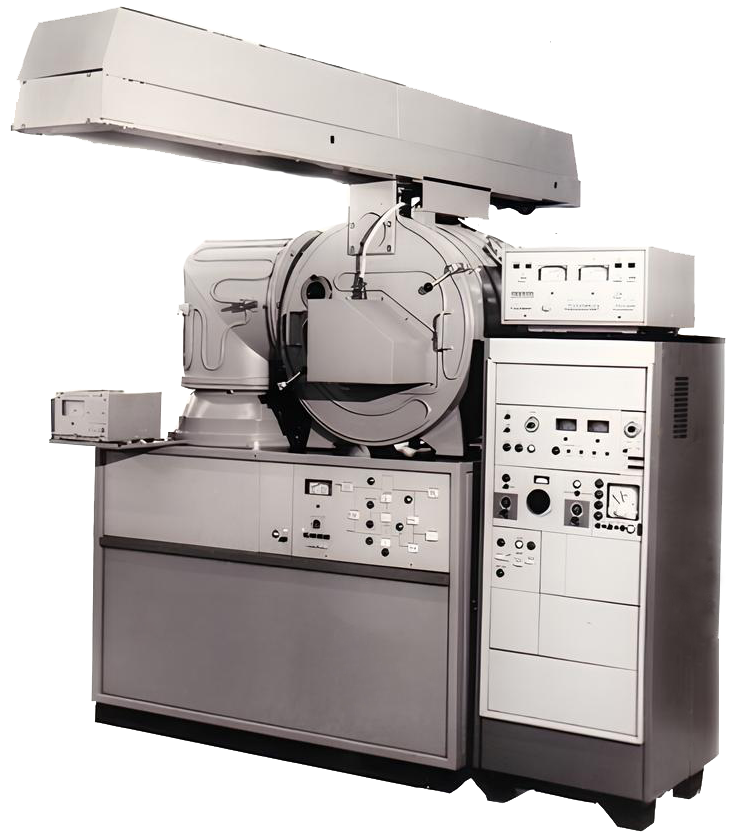
During its first decade of operation, NIITM specialists developed vacuum systems for the production of integrated circuits on 40, 60, and 70 mm wafers: UVN-1; UVN-2; UVN-70A-1; ELUM-1; Korund-S, and others.
In 1970, the development and production of equipment for the production of integrated circuits on wafers with a 76-mm diameter began.
Development and Implementation of Equipment Sets for the Mass Production of Integrated Circuits
During this period, a wide range of equipment for the mass production of integrated circuits was actively developed and created.
In 1974, V. Savin, Director of the Research Institute for Precision Machine Manufacturing, was awarded the Lenin Prize for his contribution to the organization of the Scientific Center for Microelectronics and the formation and development of science and industry in Zelenograd.
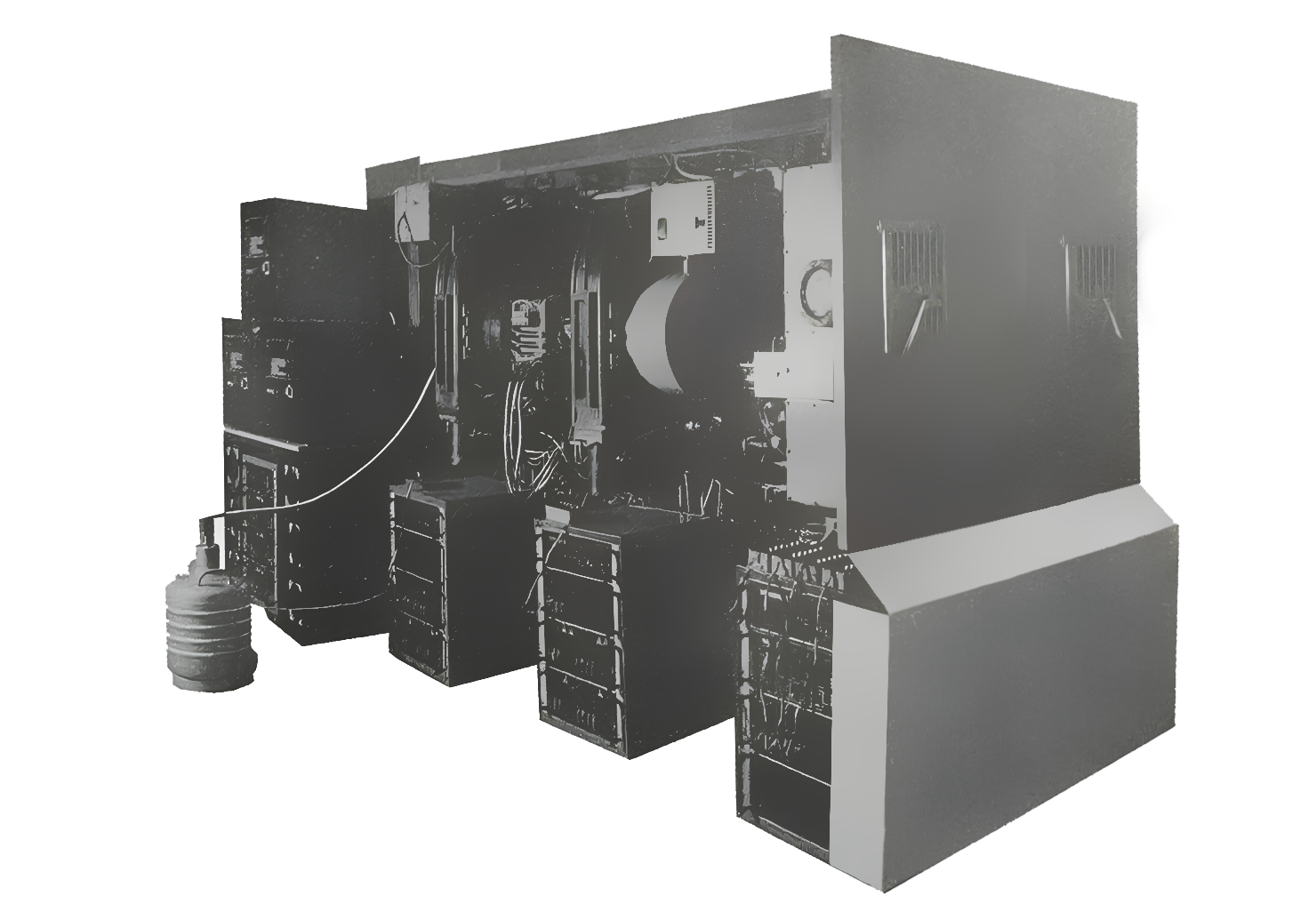
By 1975, all necessary equipment for the production of integrated circuits on 76-mm diameter wafers, including those with electron beam and ion systems, had been developed.
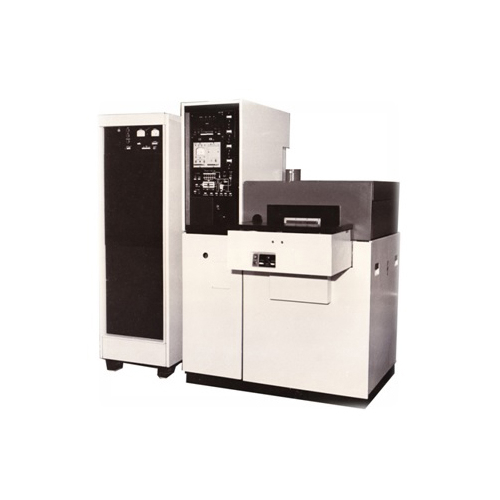
From 1975 to 1977, equipment for processing 100-mm diameter wafers was actively developed: high-performance semi- and continuous vacuum deposition systems and plasma-chemical equipment sets. Automated flow lines for physical and thermal operations were also developed.
Development of Equipment for Processing Wafers up to 150 mm in Diameter
The development and implementation of equipment based on new physical principles (electron-ion beams, X-ray and laser radiation, and plasma-chemical processing) were in full swing.
In the 1980s, the company developed a set of equipment for processing wafers up to 150 mm in diameter; oil-free pumping systems were also introduced.
In 1984, the USSR State Prize was awarded to seven NIITM employees for the development and creation of flexible automated production.
In 1985, the joint Soviet-Bulgarian venture EMKO was established, whose main goal was to jointly develop a range of plasma-chemical equipment for microelectronic manufacturing in the CMEA countries.
New models of continuous metallization
installations have been developed: ORATORIYA 29, MAGNA 2.
Adaptation to New Market Conditions
During the transition to new market conditions, the number of areas of equipment development and production decreased.
The company's activities were concentrated in three areas:
- New generation of cluster equipment development with the integration of technological modules in a single unit for microcycles;
- Export: in particular, approximately 30 technological units have been shipped to China;
- Manufacturing of telecommunications equipment, as well as energy-saving technologies, automated systems, metering and control devices.
A Period of Stabilization and Determination of the Research Institute's Focus
Since the early 2000s, the company has developed new types of semi-continuous and continuous vacuum equipment, as well as cluster systems for individual processing of 150- and 200-mm diameter wafers.
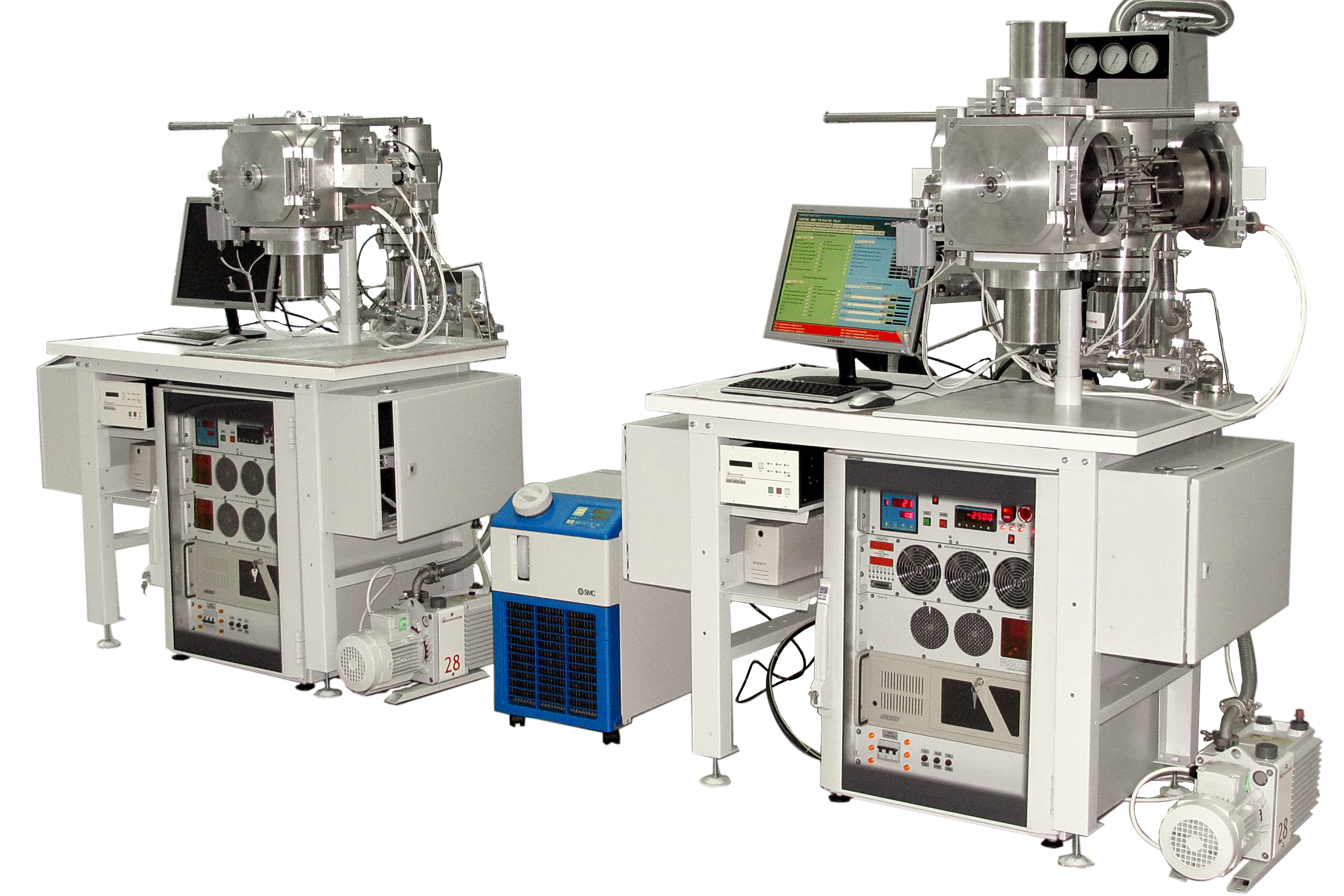
One of the key areas of activity during this period was the development, manufacture and supply of compact vacuum plasma systems for processing 100-150-mm diameter wafers to technical universities, regional and departmental research centers as research equipment, equipment for the implementation of nanotechnology and for small-scale production.
Equipment set for producing functional nanocarbon structures was developed and manufactured.
The company created a set of systems for the post-treatment of ultra-pure chloride gases, as well as a system for the post-treatment of ultra-pure hydride gases using low-temperature distillation.
The Key Area of Activity is the Development of Equipment for 8-inch Wafers
Under the agreement with the Ministry of Industry and Trade As part within Russian Federation State Program "Development of the Electronic and Radioelectronic Industry for 2013–2025" NIITM has begun development and production of an industrial technological equipment for atomic layer deposition, plasma-enhanced etching and cleaning, including development of basic technological processes for the production of electronic components on 8-inches wafers with 180–65 nm design rules. This project allows us to build the scientific and technical foundation and potential for further R&D projects.
Applied research works under the agreement with the Russian Ministry of Science and Higher Education "Study of the Ion-Stimulated Process of Deposition of Multicomponent Functional Nanostructures in a Hybrid System with Magnetically Activated Plasma Sources" have been completed.
Implementation of New Complex Projects under Contracts with the Russian Ministry of Industry and Trade
As part of the state program the following projects were started at NIITM in 2019:
- Development of a GaN MOCVD epitaxy system on wafers up to 8 inches in diameter for the production of power and microwave transistors.
- Development and production of equipment for rapid thermal annealing, plasma-enhanced and physical vapor deposition, atomic layer etching for the production of electronic components on 8-inch wafers.
In 2021 within the Russian Federation State Program "Development of Electronic Engineering" NIITM in collaboration with MERI started work on cluster systems for plasma-enhanced etching and plasma-enhanced vapor deposition for 12-inch wafers, with the reset possibility for processing 8-inch wafers.
NIITM developed PVD cluster system for Zelenograd Nanotechnology Center (ZNTC).
NIITM is a Significant Participant of the Russian Federation State Program "Development of Electronic Engineering"
In 2022 development and production of technological equipment for atomic layer deposition, plasma-enhanced etching, and cleaning was completed.
A cluster system with four modules was created. Currently MERI specialists are conducting research and development work on CLUSTER TM 200-01 within the development of technologies using non-volatile memory.
Together with Budker Institute of Nuclear Physics of SB RAS and MERI, the company starts development of a series of ion implantation units with a design standard of 90 nm to implement the technology for producing magnetoelectric devices.
Development of New Types of Cluster Equipment
Promising projects have been launched to develop, assemble, and test experimental and pilot models of plasma-enhanced silicon wafer processing equipment: one system for tungsten chemical vapor deposition (CVD), and the other for SiO2/SiON/SiONGe CVD.
The project for Mikron JSC, consisting of two plasma-enhanced etching cluster systems with four process modules and a common transport system each of them, is nearing completion. The first cluster system is designed for plasma-enhanced etching of metallization layers, and the second for polysilicon etching.
The CEO of NIITM JSC will receives the "Honored Worker of the Electronics Industry" award.
New Significant and Promising Projects
NIITM JSC is beginning research and development work on a plant for batch high-temperature processing (annealing) of semiconductor wafers up to 6 inches in diameter.
Works on developing ion implantation equipment continues: the project includes the development and manufacture of medium-current and high-energy systems.
At an exhibition dedicated to the development of the electronics industry, BTO TM 200-01 rapid thermal annealing system produced by NIITM was demonstrated to Russian Prime Minister Mikhail Mishustin.
Cluster equipment for plasma-chemical etching and deposition systems for processing 12-inches silicon wafers has been completed as part of a joint research and development project with MERI.
Development of a Range of Equipment for Processing 8‑inch Wafers
Within the framework of the R&D project on two plants for chemical vapor deposition (CVD), NIITM is completing the production of experimental equipment prototypes and is beginning to build prototypes.
The company opens a new Design Center. Its primary objective is to address complex scientific and production challenges related to the design and development of equipment, components, and assemblies, as well as software development.
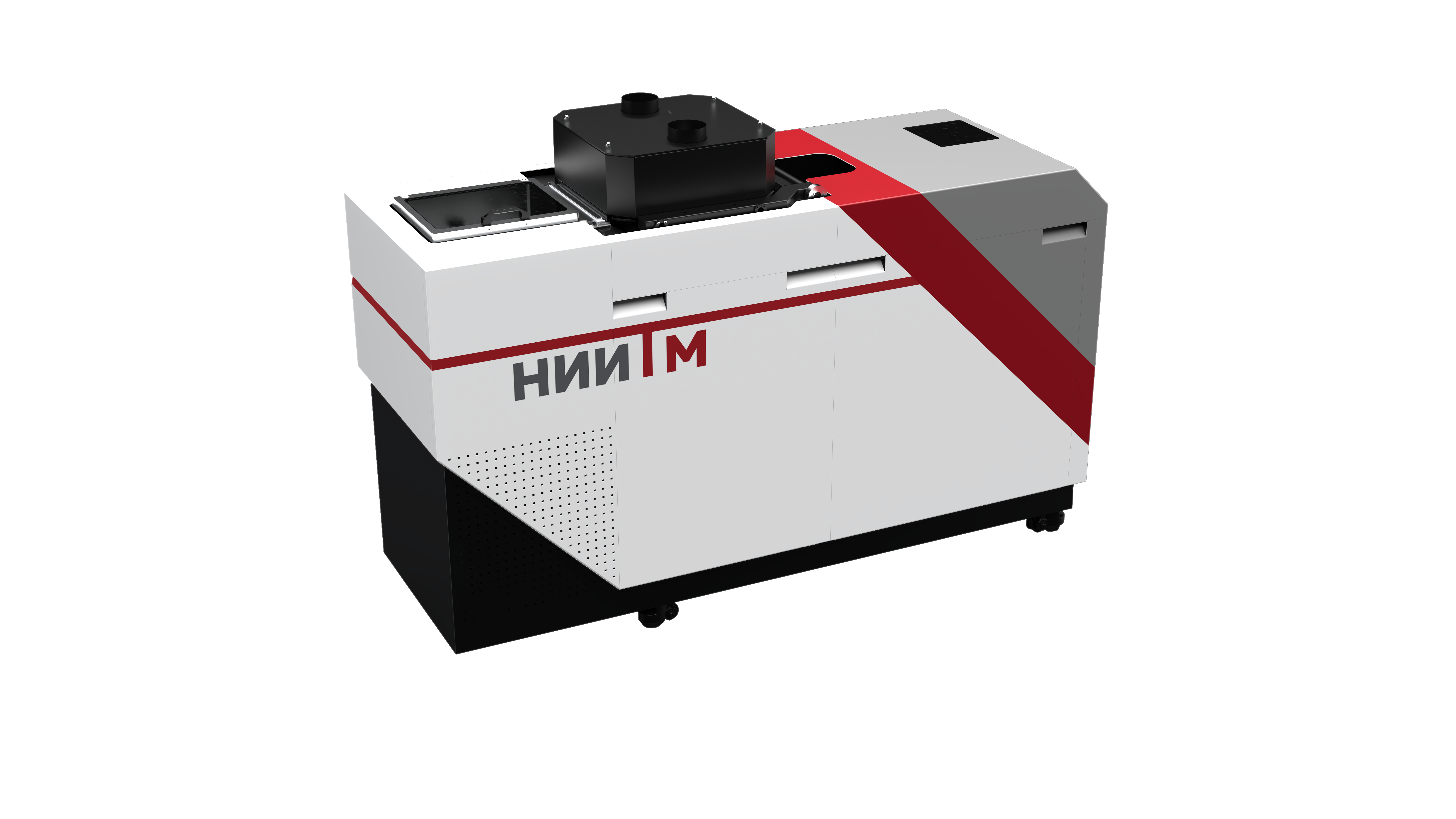
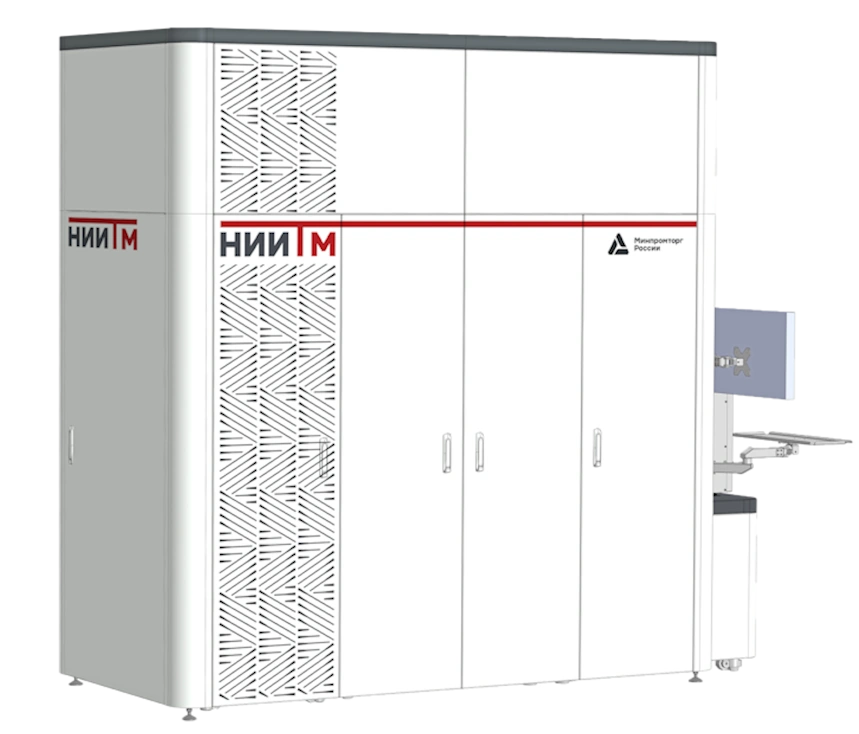
The company has embarked on a course for developing industrial design: in cooperation with specialists from ISTC MIET JSC, an exclusive design is being developed for three NIITM plants: for CVD processes, rapid thermal annealing and high-temperature batch wafer processing.
The development of a cluster complex for depositing aluminum metallization layers using vacuum deposition on 8-inch wafers has begun. The equipment is being developed in collaboration with MERI as part of the R&D project with the support of the Russian Ministry of Industry and Trade.